
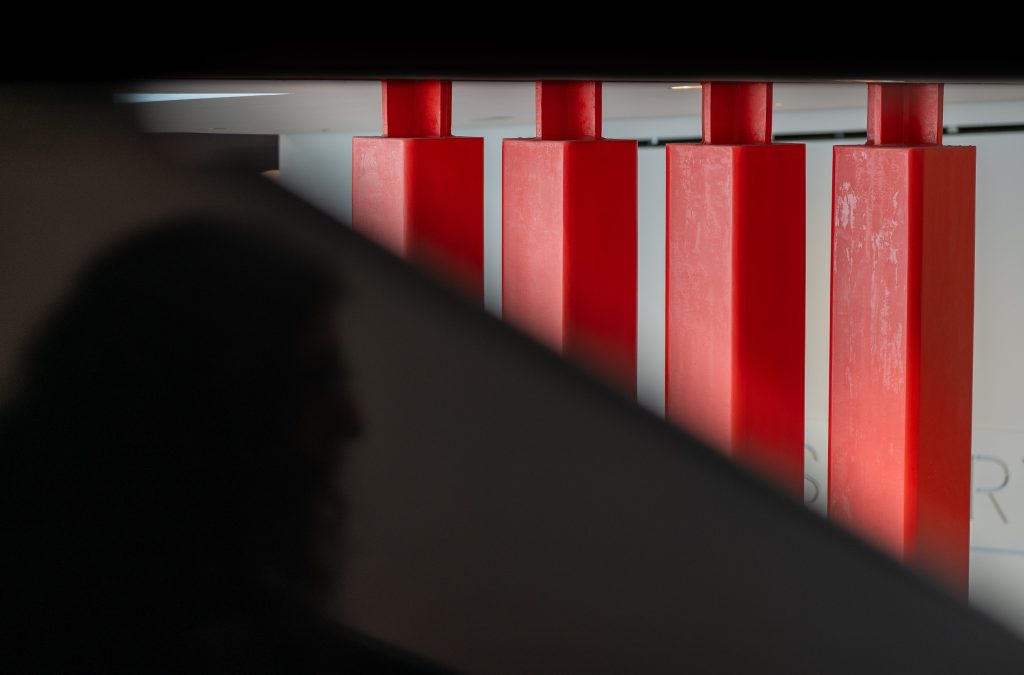
August 9, 2025
Equipment: Nikon Zf, NIKKOR Z 50mm ƒ/1.8 S
Location: London, UK
Last weekend, I joined some friends in visting the Victoria & Albert Museum here in London. We were there for a special exhibit on the art of Cartier jewelery, which promised alluring opportunities for creative shots of the pieces on display. But in doing so, I was confronted with a thought – when does the photography of someone else’s art become my own art?
We started the day in the V&A’s cafe, which in and of itself is very much part of the museum’s exhibits. The stunning Victorian architecture, with its gilded facade, stained glass windows, and juxtaposed modern chandeliers, is art in and of itself.
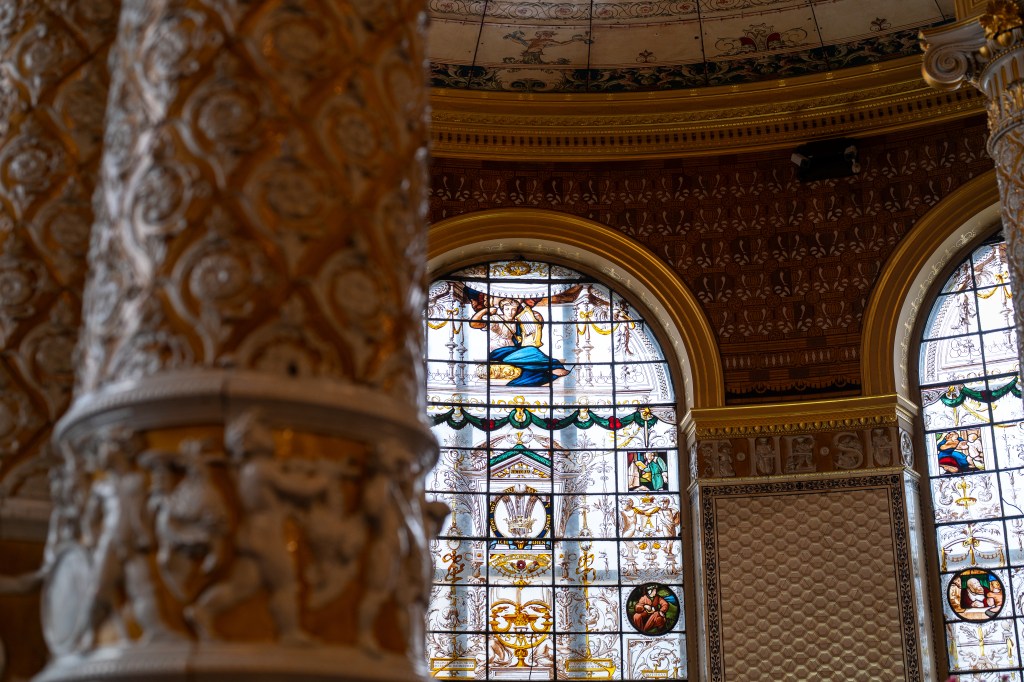
ISO 180 | f/3.2 | 1/60
Architecture and interior design, like photography, are practical art forms. Their intrinsic purpose is not artistic. The purpose of a chandelier first and foremost is to create light. The purpose of the V&A’s impressive building is to house art. The purpose of a photograph is to reproduce for you, the viewer, an image from the past.
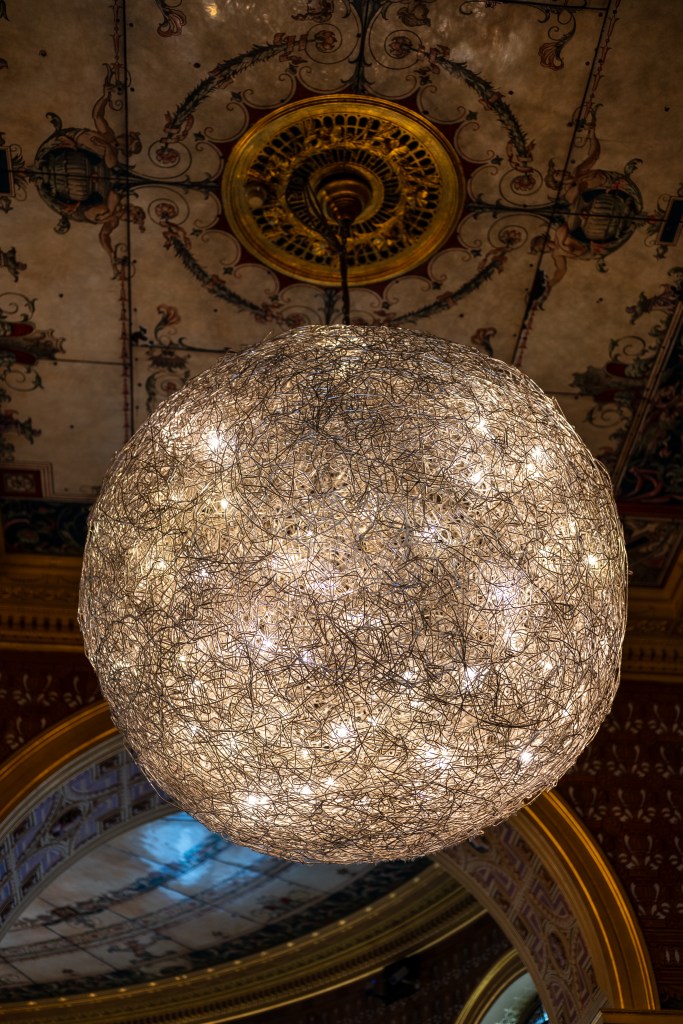
ISO 160 | f/2.0 | 1/60
But these chandeliers, the stanied glass window above, and the V&A’s architecture – they go beyond their purpose. Their aesthetic beauty evokes an emotion. Is that then what makes art, art? An emotional connection beyond the practical purpose?
As we walked through some of the permament exhibits, I started taking my first pictures of the actual museum exhibits (i.e., the “real” art on display). I contemplated if what I was creating here was a mere practical photograph, a reproduction of someone elses’s art, or if I was creating art.
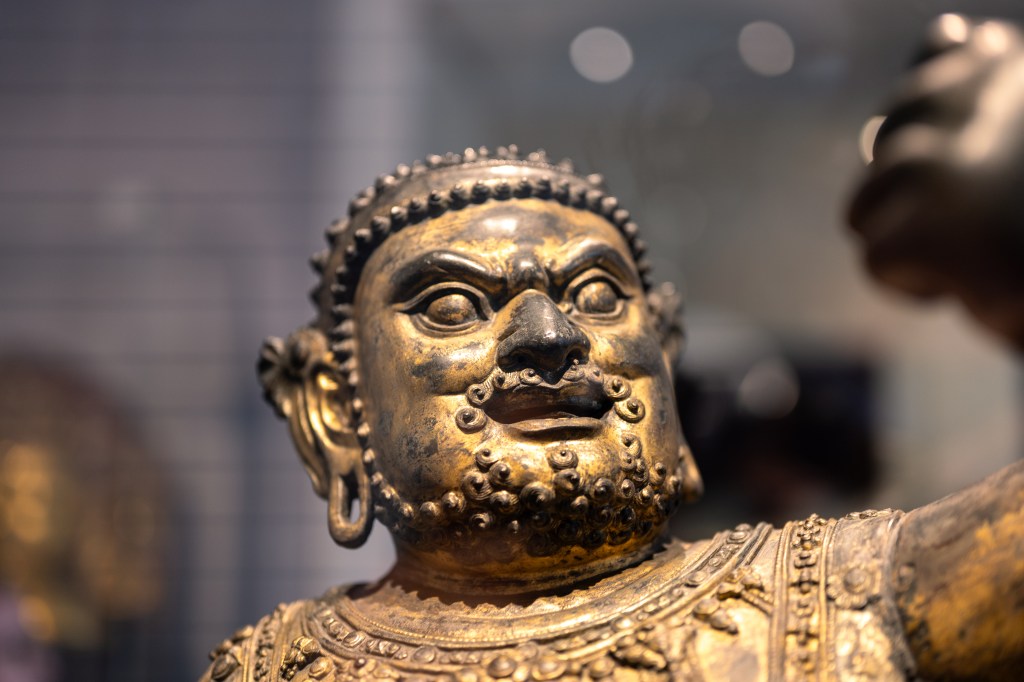
ISO 220| f/1.8 | 1/60
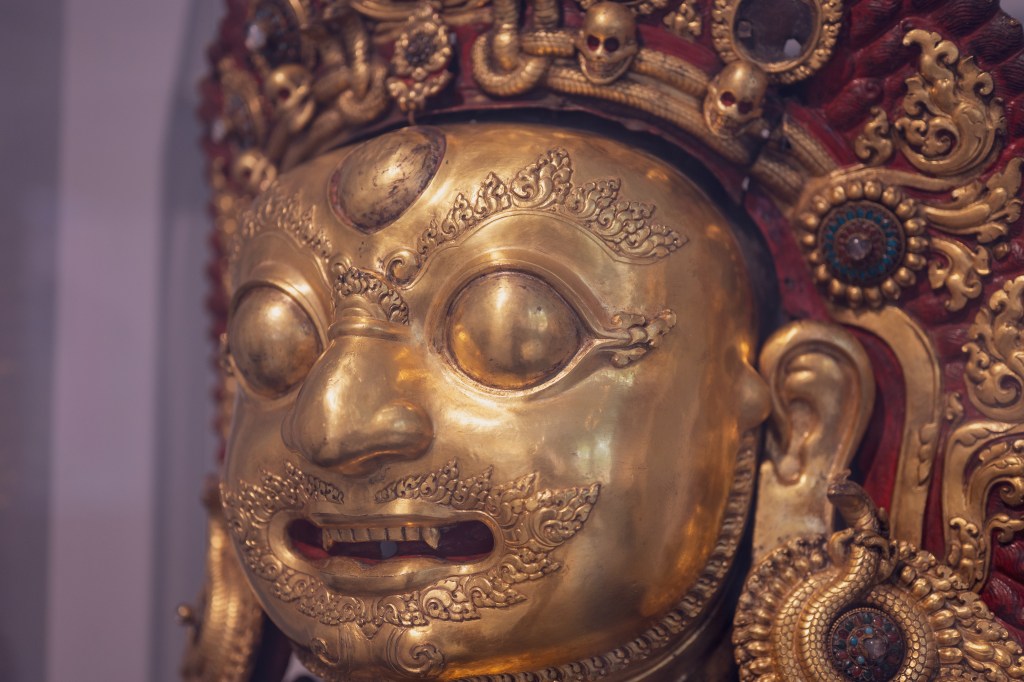
ISO 250 | f/1.8 | 1/60
We meandered through Southeast Asia and made our way to the Maison Cartier. This, truly, was the crown jewel of our cultural day out. Each exhibit outdid the one before it – diamonds sparkled under the museum lights, rubies and pearls shaped meticuslously into playthings of Queens and Emperors. These were difficult subjects to photograph. The lens I chose to bring was not a macro lens, and the reflections in the exhibit glass did me no favors.
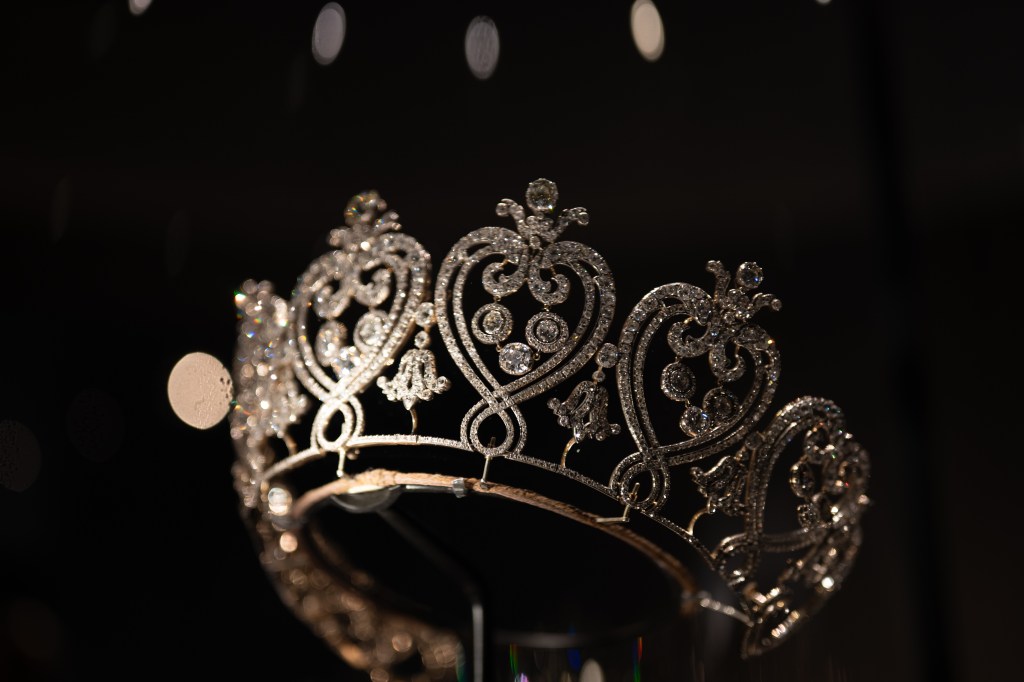
ISO 280 | f/1.8 | 1/60
Other photographs came out quite nice, reproducing in great detail the cratsmanship on display.
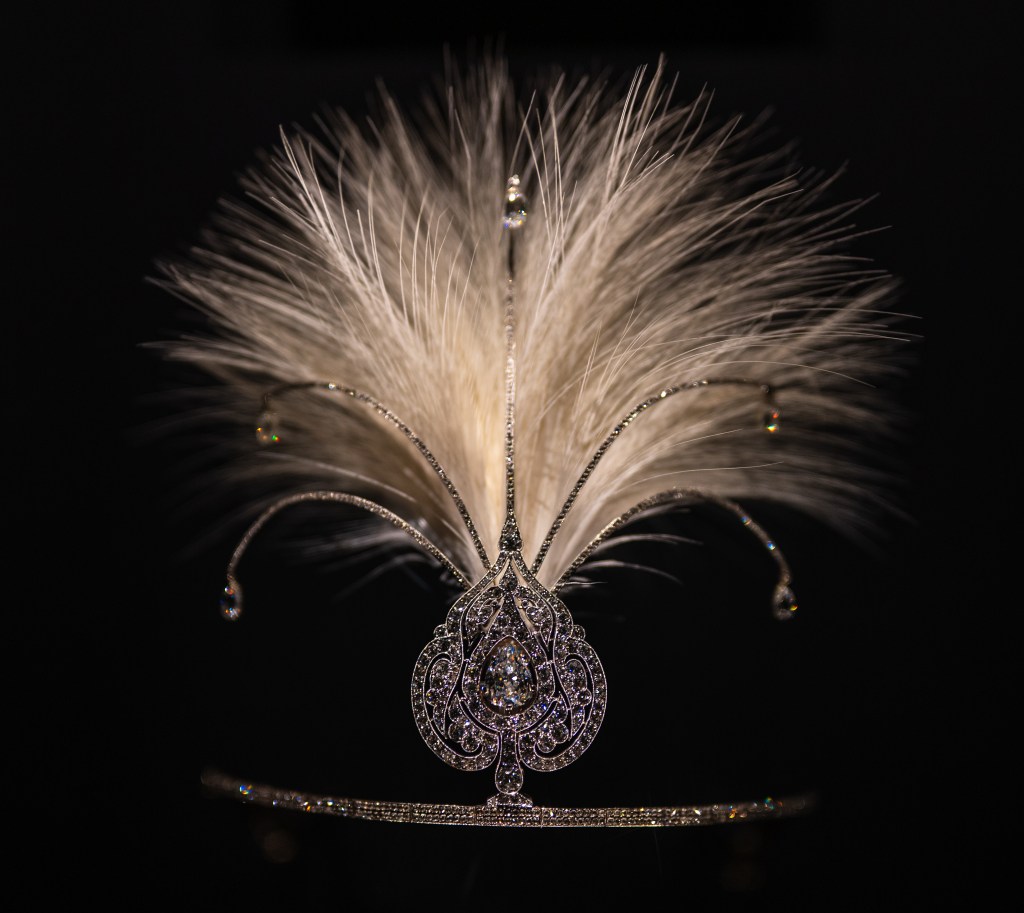
ISO 560 | f/1.8 | 1/60
But the exhibition highlight for me was a bejeweled golden brooch of a panther displayed against a white forest backdrop. Not only was the pin an exquisite piece of jewelry, but the forest backdrop made it seem like the metal panther was alive, moving among the trees.
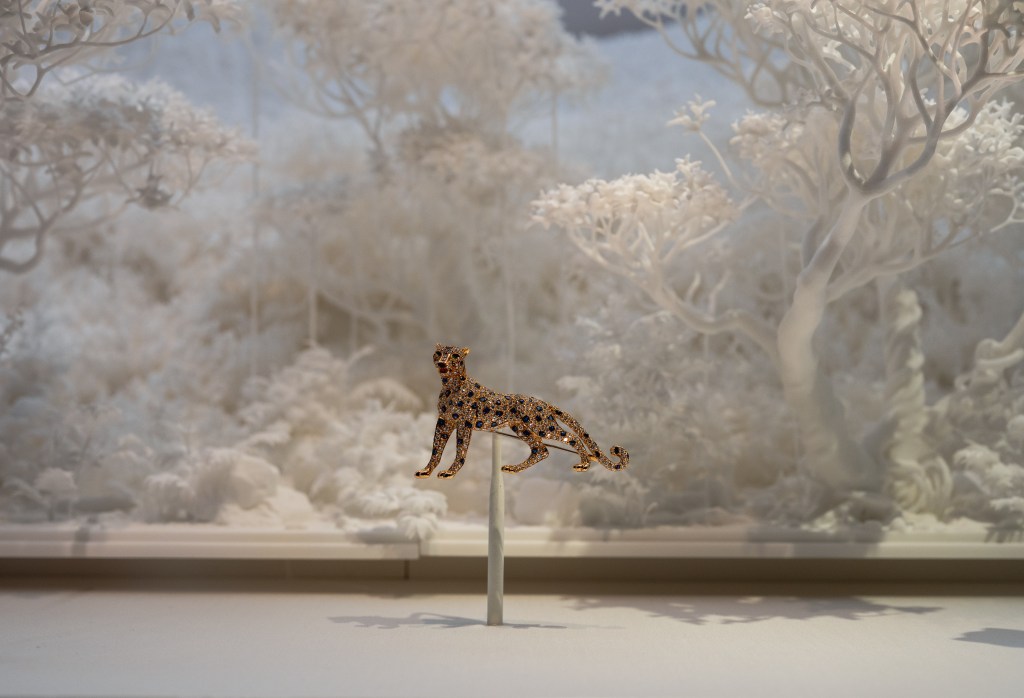
ISO 500 | f/5.6 | 1/125
This, to me, gave a definitive answer to my opening question. This was not a reproduction – the photograph tries to evoke a supplemental feeling than just the beauty of the photographed art. It’s the new perspective that’s being created that makes this not just a faithful reproduction of the exhibit, but a new creation (unless, of course, this feeling is what the museum curator meant to create, making this just a reproduction of their artwork of art.)
Whatever the case may be, the V&A convinced me that taking pictures of art can be art itself – just like the building housing the art can be art as well. The key is the intentionality of the image, and the emotion it tries to ellicit that goes beyond simply showing the viewer what the phographer happened to see the moment they pressed the big red button.

More art?
 Thirty Six Thousand
Leave a comment